
The Ultimate B2B Guide to Sourcing Tennis Bracelet in Box: Quality, Customization & Bulk Orders
When you’re a B2B buyer looking for a tennis bracelet in box supplier, three things really matter: product quality, how much you can customize, and whether bulk orders run smoothly. This guide gives you a practical framework—based on real factory experience and industry data—for checking suppliers, handling packaging and branding, and negotiating terms that protect your margins.
- Quality assessment: focus on gold purity (14k/18k), diamond grade (GIA or IGI), and setting security (prong, bezel, or channel).
- Customization: precision-fit box inserts, brand-specific colors (yeah, oxblood vs. burgundy is a real thing), and logo engraving.
- Bulk terms: MOQ tiers, volume discount tables, and production timelines.
- Compliance: FSC-certified packaging, OEKO-TEX, Prop 65, and conflict-free diamond sourcing.
- Procurement process: sample approval, third-party inspections, and supplier vetting checklists.
- Retail scenarios: bridal collections, everyday minimal designs, and men’s tennis bracelets.
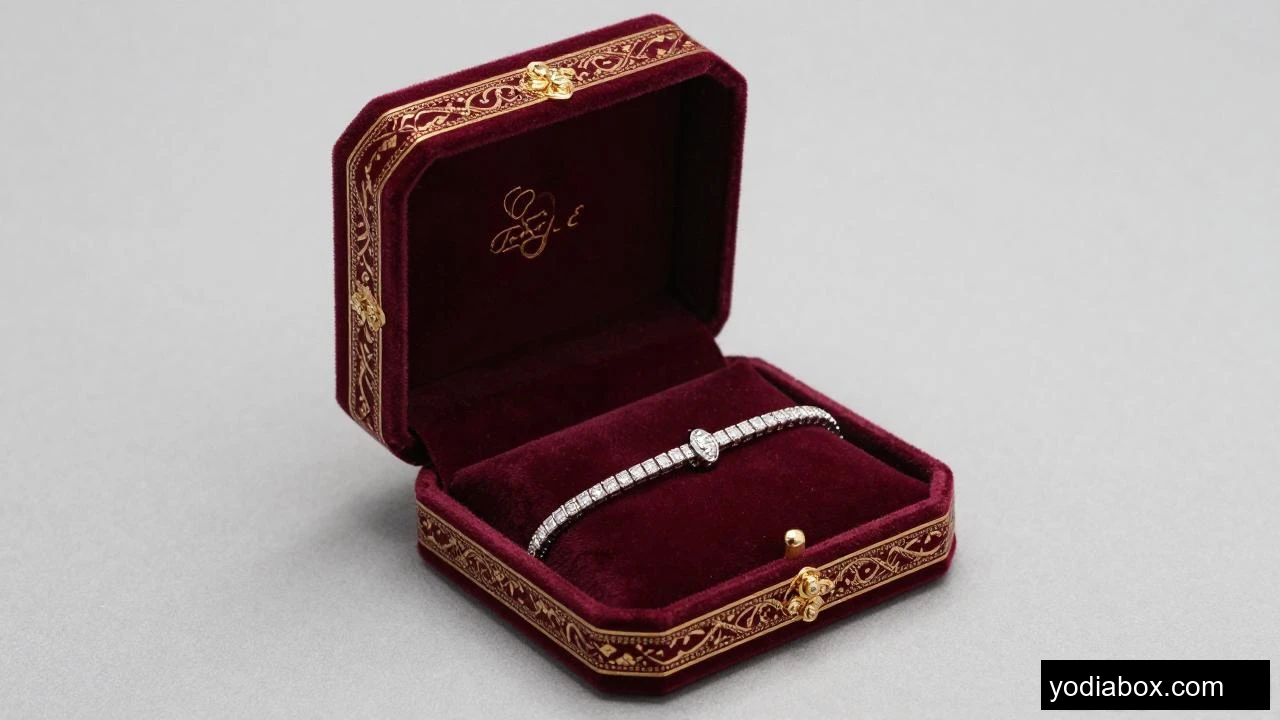
Assessing Tennis Bracelet Quality: Materials, Carat Weight, and Setting Techniques
First step in sourcing a tennis bracelet in box: figure out quality. As a B2B buyer, you need to verify three things: metal composition, stone grading, and mounting integrity. According to GIA (Gemological Institute of America), diamond quality comes down to the 4Cs: cut, color, clarity, and carat weight. With tennis bracelets—where stones line up in a row—consistency in color and clarity across the whole chain is critical.
Material Options Comparison
| Metal Type | Purity (%) | Common Finishes | Durability | Price Point (per kg) |
|---|---|---|---|---|
| 14K Gold | 58.3% | High polish, matte | Excellent | $29,000–$32,000 |
| 18K Gold | 75% | High polish, brushed | Very good | $38,000–$42,000 |
| Sterling Silver | 92.5% | Rhodium-plated, antique | Good | $700–$900 |
| Platinum | 95% | Satin, high polish | Superior | $48,000–$55,000 |
Prices are approximate as of Q1 2025; subject to market fluctuations.
Stone Setting Integrity
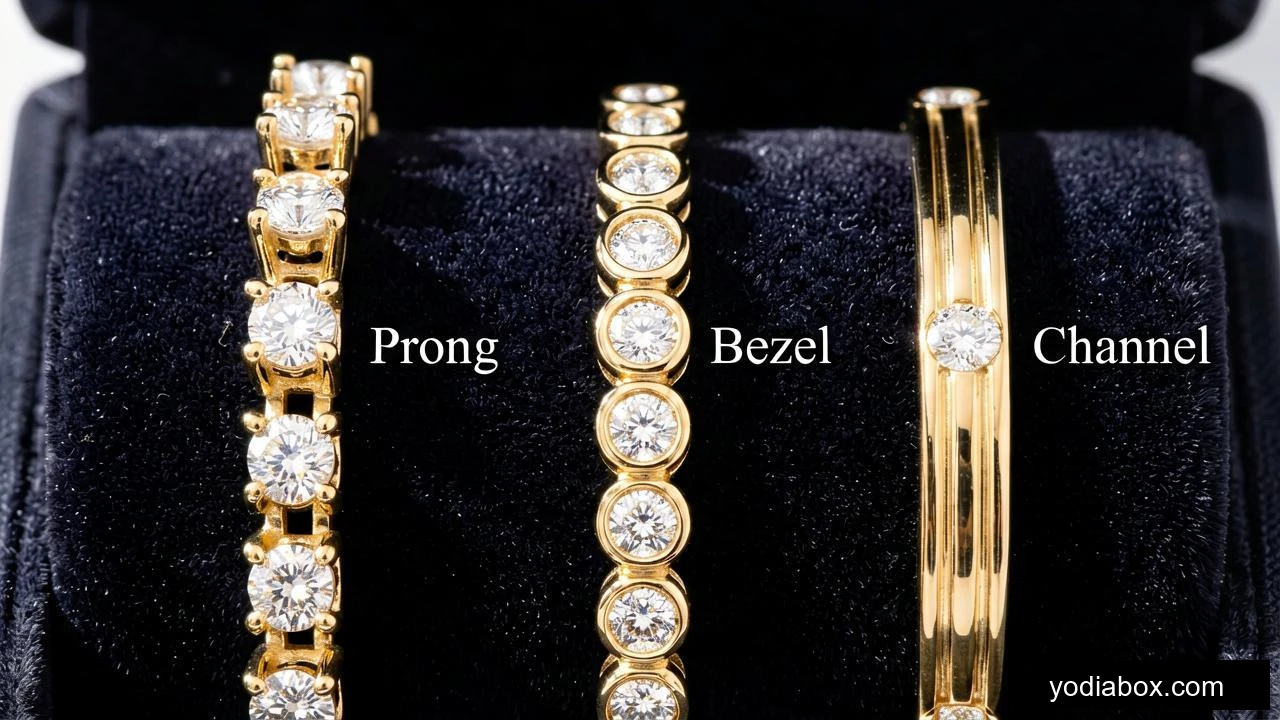
A tennis bracelet in box has to survive daily wear without stones loosening. Here’s what to look for:
Four-prong per stone gives maximum light exposure but needs precise alignment.
Metal collar around each stone; more secure but less light gets through.
Stones set flush between metal rails; popular for luxury lines.
Trustworthy suppliers provide a GIA or IGI certificate for each major diamond lot (0.3 carat and above). For cubic zirconia or lab-created stones, verify refractive index and hardness (Mohs 8.5+ for CZ). In my role as Senior Sourcing Specialist at JewelCraft International, I recommend demanding a “quality compatibility report” for any bulk order—this confirms stone color consistency within ANSI/ASQC Z1.4 sampling standards.
Customization and Packaging: Building Your Brand’s Signature Tennis Bracelet in Box
Brand customization of a tennis bracelet in box takes careful coordination between the jewelry itself and the packaging design. The box interior cutout has to hold the bracelet so precisely that when the lid opens, the piece doesn’t shift even a millimeter.
Factory Experience: Precision Fit for Parisian Jewelry House
Let me share a project that pushed our limits. A major Parisian jewelry house ordered 12,000 custom boxes for a new tennis bracelet line. The spec seemed simple—the bracelet was 7.25 inches long, set with 4.5-carat total weight of D-color VVS1 stones. The client insisted that the box’s interior cutout be so accurate that opening the lid would never dislodge the piece. We agreed on a 0.3-millimeter tolerance for the foam cutout. After three rounds of prototyping, we got there using CNC die-cutting and high-density velour. That experience taught us that “simple” custom packaging rarely is.
The Oxblood Lesson
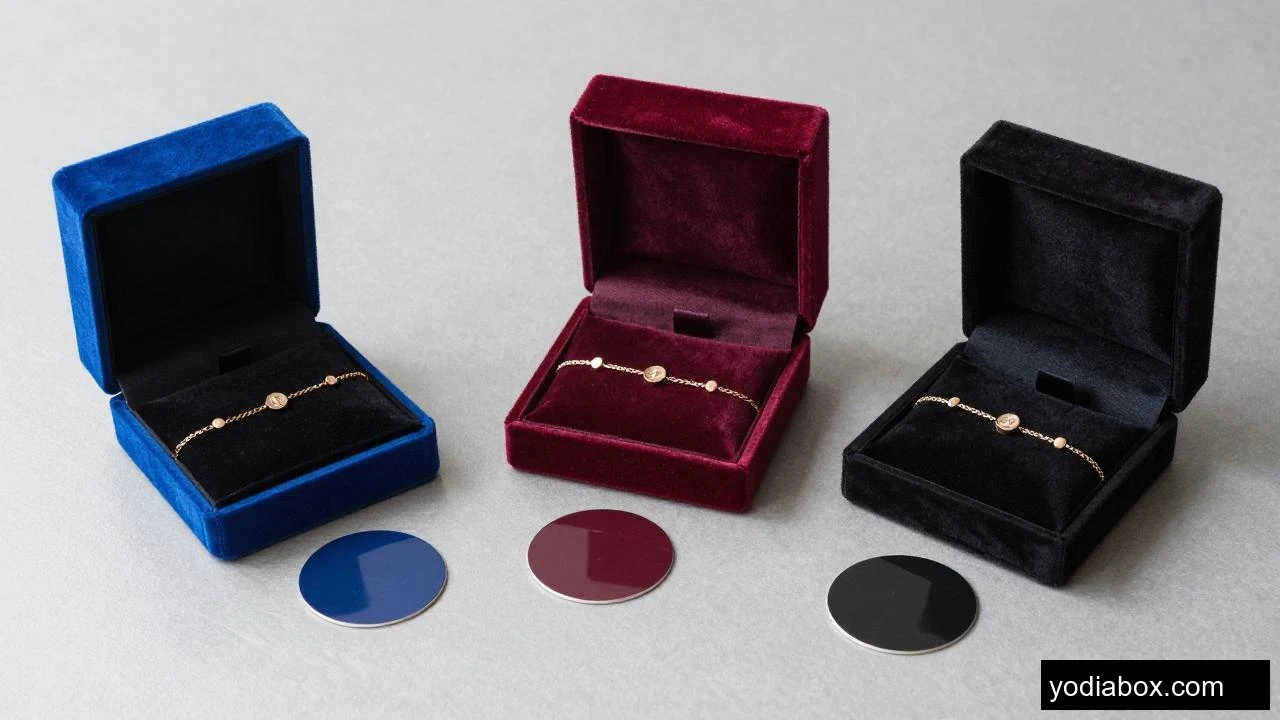
Another project involved a mid-sized international brand. It was 10 p.m. in Shanghai when the procurement lead sent me a photo of their sample box with a sticky note reading, “This velvet is too close to burgundy—our brand is oxblood.” Their product launch at a luxury trade show was five weeks away. That single color discrepancy could have derailed everything. We had already approved the base material, but the velvet top layer was a visual match, not a brand match. We re-dyed the entire production run of 3,000 units within two days using a specialized process—risky on margin, but it saved the relationship.
Key customization considerations
confirm foam density, fabric color (Pantone matched), and closure mechanism (magnetic vs. snap).
foil stamping, embossing, or metal plaque. Ensure adhesion tests for high-humidity environments.
velvet, leatherette, or real suede—each changes perceived value and cost.
Bulk Purchase Business Terms: MOQ, Pricing, and Lead Times
Bulk ordering of a tennis bracelet in box means negotiating MOQ, tiered pricing, and realistic lead times. These terms directly affect your inventory cost and retail margins.
MOQ and Pricing Breakdown
| Order Quantity | Unit Price (14K, 1ct total weight, velvet box) | Lead Time | Discount off Base |
|---|---|---|---|
| 50 – 100 | $210 | 6 weeks | 0% |
| 100 – 500 | $195 | 5 weeks | 7% |
| 500 – 1,000 | $180 | 4 weeks | 14% |
| 1,000+ | $165 | 3 weeks | 21% |
Note: Prices vary by stone type (diamond vs. cubic zirconia) and metal weight. Always request a current BOM (bill of materials).
Affordable Tennis Bracelets in Bulk
For buyers targeting mid-market consumers, affordable tennis bracelets in bulk use sterling silver with cubic zirconia (6–8 prongs). MOQ for such lines can start at 200 units, with unit costs as low as $18–$35. The key is ensuring the CZ stones are high-grade (SiO₂ content >99.9%) to maintain brilliance.
Negotiation Tips
Request a pre-production sample that includes both the bracelet and the box. Never approve based on CAD alone.
Ask about safety stock: can the supplier hold 10% of your order for quick reorders?
Confirm incoterms: FOB Shanghai or CIF Los Angeles? This affects total landed cost.
Compliance and Certification: Ensuring Products Meet International Standards
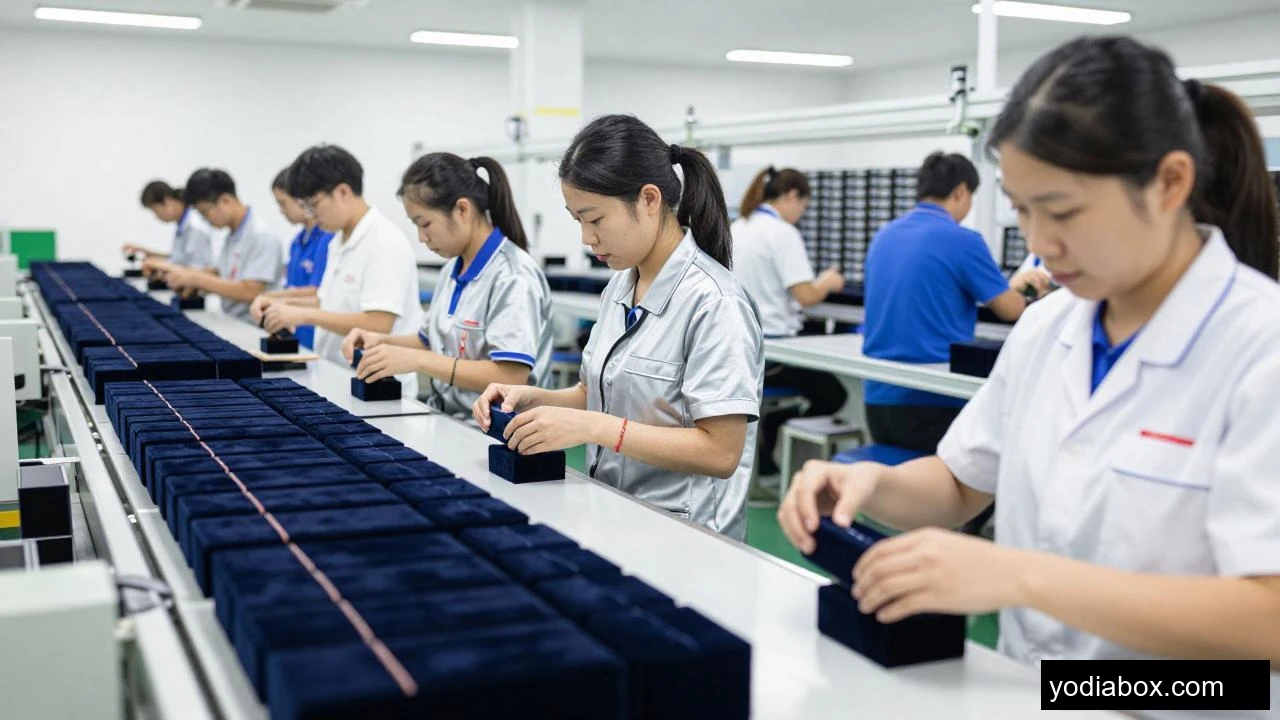
International compliance for a tennis bracelet in box covers materials, coatings, and packaging. Failing to meet regulations like REACH (ECHA), California Proposition 65, or OEKO-TEX can lead to costly recalls or customs delays.
Key Certifications
Required for paper-based boxes sourced from sustainable forests. → FSC Official Site
Alternative to FSC for packaging from European sources.
For nickel release limits in metal jewelry (EU). Ensure <0.5 µg/cm²/week.
For textiles inside boxes (velvet, silk). Certifies absence of harmful chemicals.
Lead and cadmium limits for any product sold in California.
Conflict-Free Diamond Sourcing
For diamond-set tennis bracelets, confirm your supplier adheres to the Kimberley Process. Request a “Certificate of Origin” for each lot. Many B2B buyers now require “Clean Origin” documentation—this means the diamonds are lab-grown or ethically mined with traceable supply chains.
Example Compliance Checklist for B2B Buyers
From Sample to Order: Supplier Selection and Procurement Process
Confirming samples and supplier capabilities is critical when sourcing a tennis bracelet in box. A methodical process protects your investment and ensures quality consistency across bulk runs.
Step 1: Supplier Vetting
Step 2: Sample Request
Step 3: Quality Inspection During Production
Step 4: Final Approval & Shipment
Case: 5ct Tennis Bracelet in a Box for Resale
For a US-based retailer, we sourced a 5ct tennis bracelet in a box using 18K white gold, each stone D-color VS1, total 5.0 carats. The box was lined with midnight blue velvet, embossed with the client’s logo. The project required 6 weeks for the bracelet, 3 weeks for the box, and 2 weeks for combined assembly and QC. We delivered 250 units on time for a bridal catalog launch. The key was having a single point of contact for both the jewelry and packaging streams—that eliminated coordination errors.
For more procurement best practices, see our B2B Jewelry Sourcing Guide. (Internal link placeholder)
Ready to source your tennis bracelet in box? Contact our procurement team for a customized quote and sample package: [email protected] or visit our B2B portal.
FAQ
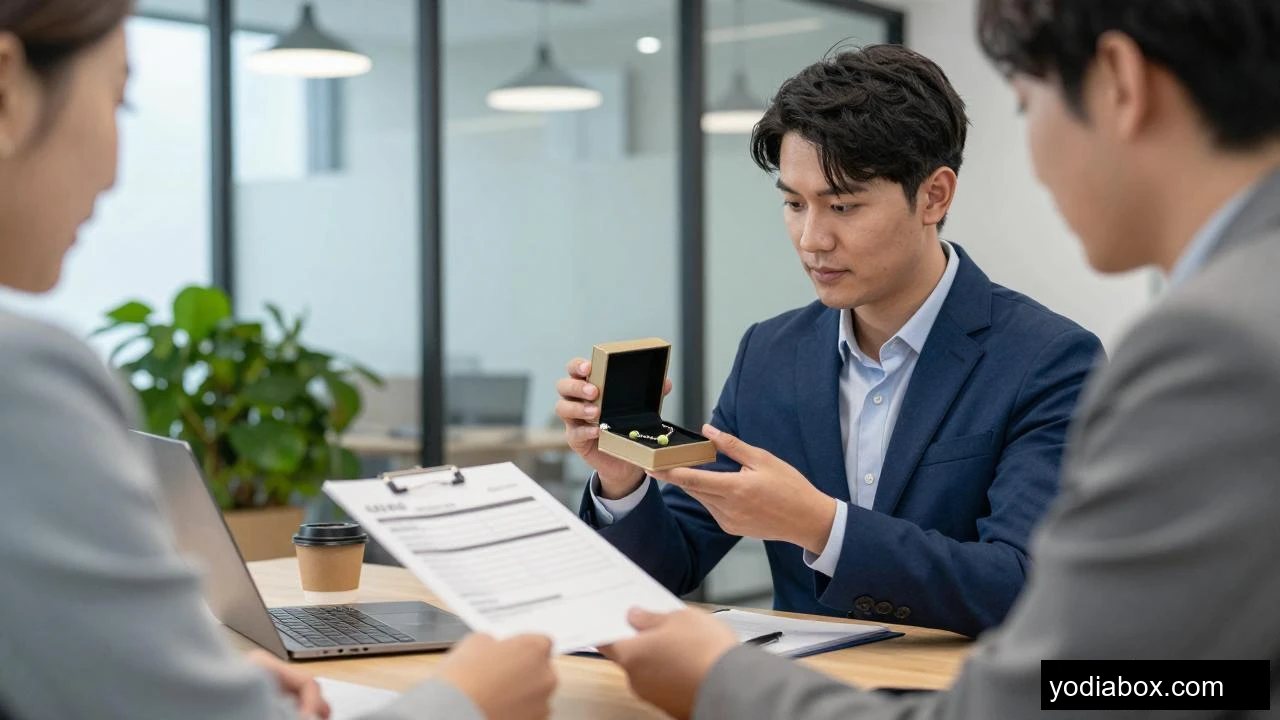
What types of tennis bracelets in a box are available for the women’s market?
Women’s tennis bracelet in box options range from 1ct to 10ct total weight, in yellow gold, white gold, rose gold, or platinum. Designs include classic single-row, double-row, and bypass styles. Boxes often feature velvet or satin interiors with a hinged lid. For everyday wear, minimal tennis bracelet in a box designs (3–4mm stone size) are popular.
How can I source affordable tennis bracelets in a box in bulk?
To source affordable tennis bracelets in bulk, use sterling silver with cubic zirconia or low-carat diamonds (0.3–0.5ct total weight). MOQs start at 100–200 pieces. Request pricing from suppliers specializing in volume production—typically 12–20% cheaper than small-batch orders. Ensure the box material is leatherette instead of real leather to keep costs low.
Are there men’s tennis bracelet in box options for retailers?
Yes. Men’s tennis bracelet in box options typically use wider settings (6–8mm stone size) in black onyx, meteorite, or dark diamonds (chocolate or black). Metal choices favor palladium, titanium, or 14K gold with matte finish. Boxes are often leather or carbon-fiber textured, with a lined interior.
What is a minimal tennis bracelet in a box, and is it suitable for everyday wear?
A minimal tennis bracelet in a box features small stones (1–2mm), often in a bezel or low-profile setting, and a slim box design (approximately 6×2 inches). It is highly suitable for everyday wear because the low profile reduces snagging. Materials like 14K gold or platinum with genuine diamonds ensure durability.
What are the key considerations when buying a 5ct tennis bracelet in a box for resale?
When buying a 5ct tennis bracelet in a box, verify that diamond color is consistent (G–H), clarity at least SI1, and cut is quality as per GIA scale. The box must have a secure hinge and a custom cutout that holds the bracelet level. Request a video of the box opening and closing to check alignment. Also, confirm hallmark stamps (e.g., 750 for 18K) and include a certification card in the packaging.
What does a Clean Origin tennis bracelet in a box mean for sourcing decisions?
Clean Origin means the diamonds are either lab-grown (with CVD or HPHT certification) or natural diamonds with a fully traceable chain of custody (Kimberley Process certified). For B2B sourcing, Clean Origin products attract eco-conscious buyers and can command a premium. Ensure the supplier provides a separate Clean Origin certificate for each bulk lot, and verify the box materials are also sustainable (e.g., FSC paper, plant-based inks).
Forest Stewardship Council (FSC)
PEFC certification
EU REACH compliance
OEKO-TEX standard
California Proposition 65
SGS inspection standards
Bureau Veritas factory audit
Packaging Digest industry report
Written by: Sarah Jenkins
Senior Content Specialist
Seasoned Industry Editor with 5 years of experience, dedicated to delivering in-depth technical and market reports.
Reviewed by: Dr. Eric Shao
Chief Technical Director
With 12 years of experience in material science and custom manufacturing, ensures the scientific accuracy and technical compliance of all published content.
Recommended Reads
Gift packaging
10 产品
Jewelry display
12 产品
Jewelry Organizer
12 产品
Jewelry pouch
7 产品
Jewelry suitcase
6 产品
Leather jewelry box
13 产品
LED Jewelry box
8 产品
Paper jewelry box
10 产品
Velvet Jewelry box
11 产品
Watch box
7 产品
Wood jewelry box
6 产品
Watch Box Cushion & Pillow Design: An OEM Engineer’s Complete Guide
Every watch box we produce lives or dies on one component most buyers never think [...]
Jun
Watch Winder Box: The Complete OEM Buyer’s Guide to Automatic Watch Winder Manufacturing
If you are sourcing a watch winder box for your brand, the short answer is [...]
Jun
Watch Winder Box Single: Design Standards, Target Users, and OEM Production Considerations
If you are developing a watch winder box single SKU, the hard part is usually [...]
Jun
Large Velvet Jewelry Box: The Complete B2B Sourcing & Selection Guide
Large Velvet Jewelry Box: The Complete B2B Sourcing & Selection Guide Sourcing a large velvet [...]
Watch Box OEM/ODM Buyer Guide: Materials, Customization, MOQ, Pricing & Supplier Selection
A good watch box protects the product, supports brand positioning, and reduces returns before the [...]
Jun
Watch Box Price Tiers: A Factory Engineer’s OEM Pricing Guide
Every week, buyers send us inquiry emails that start the same way: "Can you give [...]
Jun