
Box for Watches and Jewelry: The Complete B2B Buyer’s Guide to Types, Materials, Customization & Supplier Sourcing
Selecting the ideal box for watches and jewelry is a serious decision. It affects your brand’s perceived value, shipping safety, and the overall customer experience. For global B2B buyers, sourcing packaging means balancing visual appeal, material durability, and supply chain efficiency so retail margins stay healthy. This guide covers the key specifications, pricing tiers, and compliance standards you’ll need to make your next bulk packaging purchase smarter and more cost-effective.
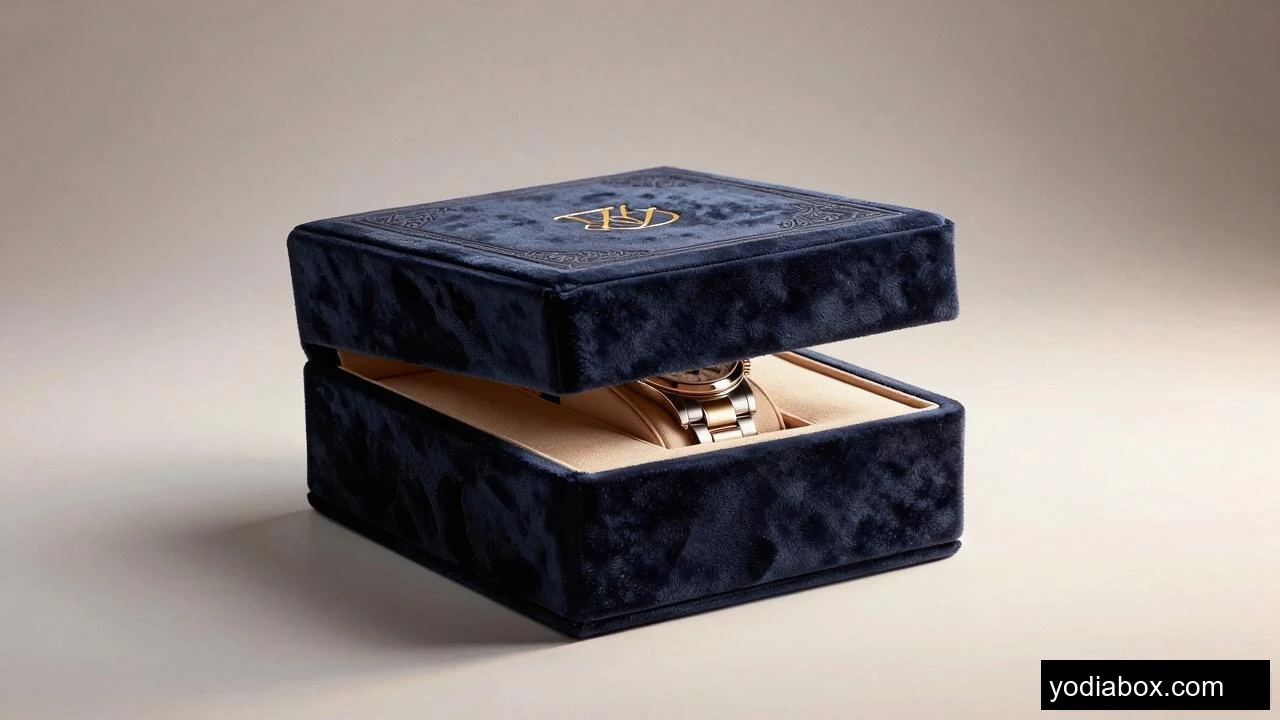
Summary of Key Takeaways
- Align Packaging with Strategy: Match box types to specific retail, display, or e-commerce fulfillment goals to balance presentation and shipping costs.
- Prioritize Material Compatibility: Prevent oxidation and scratching by selecting non-reactive linings like microfiber and velvet.
- Optimize Structural Design: Ensure precise dimensions and custom foam inserts to secure high-value watches and jewelry.
- Verify Compliance & Sustainability: Choose FSC-certified wood and REACH-compliant adhesives to meet global ESG regulations.
- Implement Strict Quality Control: Partner with OEM/ODM suppliers who offer rigorous drop testing and color-matching checks.
Selecting the ideal box for watches and jewelry is a serious decision that directly affects your brand’s perceived value, shipping safety, and overall customer experience. In the luxury goods and fashion accessories markets, the unboxing moment is often the first physical touchpoint a customer has with your brand. Good packaging doesn’t just protect what’s inside; it helps support premium pricing and strengthens brand identity.
For procurement managers and brand owners, dealing with the global packaging supply chain takes a real understanding of structural design, material chemistry, and manufacturing tolerances. Whether you’re looking for custom watch packaging solutions to protect delicate automatic movements, or searching for a reliable jewelry packaging manufacturer to improve your retail presentation, this B2B buyer’s guide walks through the practical steps needed to make an informed purchasing decision.
Step 1 — Define Your Procurement Goal First: Retail Gift, Brand Display, E-Commerce Fulfillment, or Bulk Wholesale?
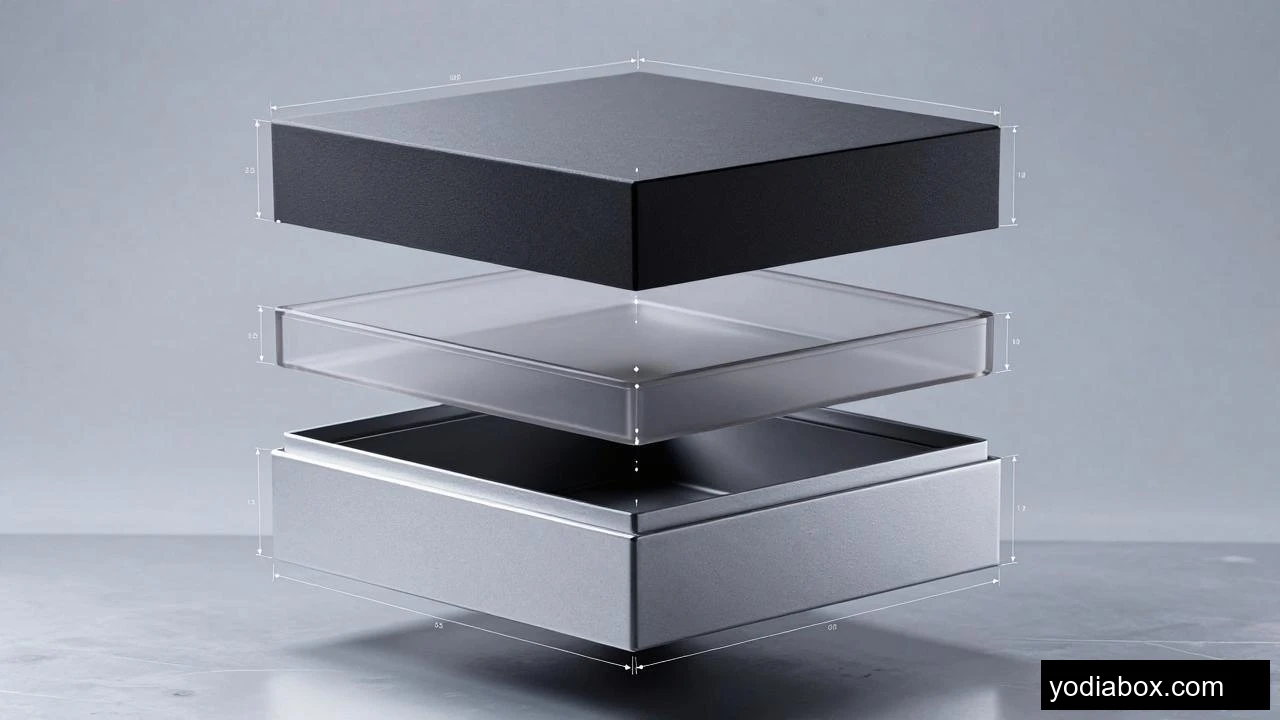
Sourcing a watch and jewelry box wholesale order starts with one basic question: where will the packaging actually be used? A display box and an e-commerce mailer may hold the same product, but structurally, they’re built for very different jobs. Set the goal early and you’ll avoid expensive redesigns later.
| PROCUREMENT GOAL ALIGNMENT |
|---|
| [ Retail Gift ] ——–> Focus: Tactile Experience & Brand Value |
| (Rigid paperboard, magnetic closures, foil logos) |
| [ Brand Display ] ——> Focus: Durability & Visual Appeal |
| (Lacquered wood, acrylic, LED lighting) |
| [ E-Commerce ] ———> Focus: Drop Protection & Weight Optimization |
| (EVA foam inserts, rigid corrugated mailers) |
| [ Bulk Wholesale ] —–> Focus: Cost Efficiency & Stackability |
| (Standardized sizes, flat-pack options) |
Retail Gift Packaging
For brick-and-mortar retail and premium gifting, the focus is tactile appeal and visual impact. Buyers should target a jewelry gift box bulk strategy using rigid paperboard or medium-density fiberboard (MDF) wrapped in textured specialty papers or PU leatherette. These boxes often include magnetic closures, ribbon pulls, and custom debossed logos for a more polished unboxing experience.
Brand Display & Countertop Showcases
Display boxes are meant to stay open in retail showcases, which means constant exposure to ambient light and dust. That calls for materials with strong UV resistance so fading doesn’t become an issue. Solid wood, polished acrylic, and heavy-duty metal hinges are standard choices. Inside, the layout should position the watch or jewelry piece at the right viewing angle, often with angled velvet inserts.
E-Commerce Fulfillment & Shipping
With direct-to-consumer (D2C) sales growing fast, packaging has to survive postal transit without adding unnecessary shipping cost. E-commerce packaging should be drop-resistant, lightweight, and compact enough for standard courier mailers. The box also needs a secure lock or magnetic closure that won’t pop open under pressure. Simple enough, but easy to get wrong.
Bulk Wholesale & Distribution
If you’re distributing products to third-party retailers, you’ll need a watch storage box wholesale solution that favors stackability, space efficiency, and low unit cost. Flat-packable folding boxes made from high-quality SBS (Solid Bleached Sulfate) board work well here because they cut warehouse storage needs and reduce inbound freight costs.
To explore how packaging design changes across sectors, read our guide on custom packaging by industry.
Step 2 — Match the Box to Your Product: Size, Compartment Layout & Lining Requirements for Each Watch and Jewelry Category
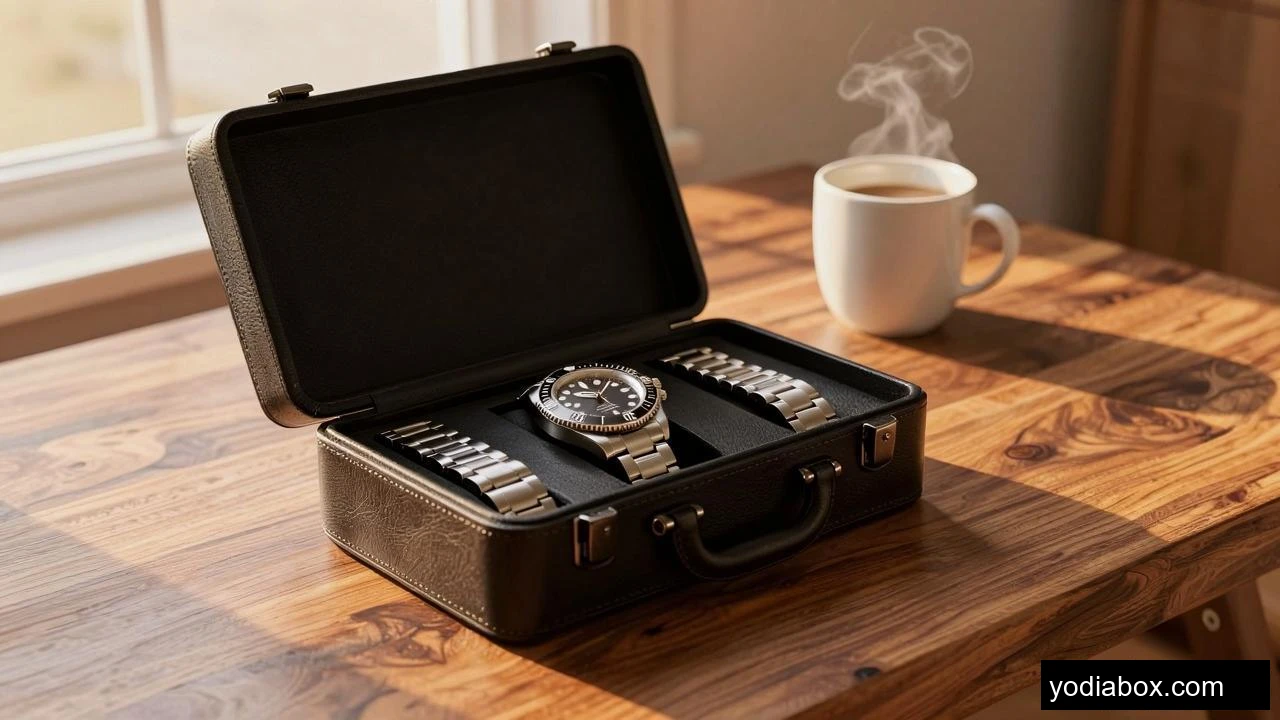
A watch box with jewelry storage needs precise compartment dimensions so items don’t shift, collide, or get scratched during transit. Watches and jewelry combine metals, gemstones, and glass—none of which are forgiving when packed loosely.
| TYPICAL MULTI-COMPARTMENT LAYOUT (TOP VIEW) | ||||
|---|---|---|---|---|
| +———————–+ +————————-+ | ||||
| Watch Slot 1 | Watch Slot 2 | |||
| (High-Density Cushion) | (High-Density Cushion) | |||
| +———————–+ +————————-+ | ||||
| +—————————–+ +——————-+ | ||||
| Ring Slots (Velvet Rolls) | Earring Card | |||
| +—————————–+ +——————-+ | ||||
| +——————————————————-+ | ||||
| Necklace Compartment (with Hooks) | ||||
| +——————————————————-+ |
Sizing and Compartment Layouts
- Watches: Standard watch slots need to fit modern watch sizes, typically from 38mm to 55mm in diameter (including the crown). Slot depth must prevent the watch crystal from touching the lid when closed. The watch pillow or cuff should be flexible enough to fit both smaller women’s watches and larger men’s metal band watches without overstretching straps.
- Jewelry: Rings need snug foam slots lined with velvet so they don’t roll around. Necklaces need dedicated hooks and an elasticated bottom pocket to stop chains from tangling. Earrings usually require perforated cards or soft foam pads.
- Foam Inserts: A high-quality watch box foam insert should use polyurethane (PU) or ethylene-vinyl acetate (EVA) foam. EVA foam is firmer and gives a clean, laser-cut edge, which makes it a strong option for modern presentation boxes. PU foam is softer and better for wrapping delicate watch bands.
Real-World Project Insights
Over the years, while managing custom packaging programs, I’ve seen plenty of design problems where tiny tolerance issues turned into major production delays. It happens more often than buyers expect.
Case Study: The Multi-Market Gift Set
A mid-size international brand launched a premium watch and jewelry gift set across 12 markets. They needed a unified box that felt luxurious in retail, could survive e-commerce shipping, and still fit within a strict target cost. I led the project from sourcing to delivery, coordinating a 28,000-unit order with two box formats, three compartment layouts, and four logo finish tests.
The biggest challenge was balancing the weight of the heavy wooden exterior with a lightweight, high-density EVA foam insert structure that could pass a 1.5-meter drop test without cracking the outer lacquer. By replacing the solid wood base with a reinforced MDF core and fine-tuning the foam density, we reduced shipping weight by 18% while keeping the premium feel.
Case Study: The Tolerance Trap
We produced a custom box for an international brand launching in Europe and the Middle East: 12,000 units, two SKUs, one for a 42 mm watch with a removable cuff insert and one for a necklace-and-ring set. The design used a rigid MDF core, FSC-certified walnut veneer, cream microfiber lining, hidden magnet closures, and a foil logo.
During pilot production, we specified 3.0 mm MDF, 0.5 mm veneer, and a 1.2 mm microfiber lining. But handmade assembly tolerances created a 1.5 mm variation in the inner cavity. The watch cuffs ended up either too tight to remove easily or too loose, which caused the watch to rattle. We fixed it by redesigning the cuff with a flexible spring-steel core wrapped in plush foam, allowing it to self-adjust to minor cavity variation.
To learn more about interior packaging optimization, check our guides on foam insert customization and our display box design guide.
Step 3 — Material, Protection & Sustainability Compared: Velvet, Leatherette, Wood & Eco-Certified Options
Choosing the right material for a box for watches and jewelry means weighing appearance, durability, cost, and environmental impact. The table below compares the most common materials used in B2B packaging manufacturing.
| Material Type | Average Cost | Durability | Best Suited For | Security / Lock Options | Eco-Friendliness |
|---|---|---|---|---|---|
| Rigid Paperboard | Low ($0.50 – $2.50) | Medium | E-commerce, Retail Gift | Magnetic, Ribbon Tie | High (Recyclable, FSC paper) |
| PU Leatherette | Medium ($2.50 – $8.00) | High | Mid-to-High Retail | Snap Button, Metal Lock | Medium (Synthetic, but long-lasting) |
| Velvet / Suede | Medium ($3.00 – $7.00) | Medium-Low | Premium Jewelry | Drawstring, Metal Clasp | Medium (Polyester-based) |
| Solid Wood / MDF | High ($8.00 – $25.00) | Very High | Luxury Watches, Displays | Key Lock, Heavy Duty Hinge | High (If FSC-certified wood is used) |
Technical Material Considerations
When conducting a watch box material comparison, pay close attention to the abrasion resistance of the outer wrap. A leatherette jewelry box made from polyurethane (PU) offers strong resistance to scratching and moisture, which makes it useful for travel cases. That said, low-grade PU can hydrolyze—peel and crack—in humid conditions. Make sure the supplier uses hydrolysis-resistant PU tested for at least 3–5 years of equivalent exposure.
Many jewelry metals, especially sterling silver, tarnish when exposed to sulfur-containing compounds. Cheap adhesives and velvet linings often contain sulfur or acidic chemicals from tanning and dyeing processes. When sourcing a velvet watch box, ask for confirmation that both the fabric and adhesives are acid-free and sulfur-free. Water-based, solvent-free adhesives are necessary to prevent the outgassing that tarnishes metals and degrades watch gaskets.
Global ESG regulations require brands to document their packaging supply chains.
- FSC Certification: Make sure all wood and paper board materials come from responsibly managed forests certified by the Forest Stewardship Council (FSC).
- REACH & RoHS: Materials should comply with the European Union’s REACH Regulation on hazardous chemicals, confirming that no harmful plasticizers (phthalates) or heavy metals are present in linings, plastics, or metal hardware.
For more on sustainable sourcing, read our guide on sustainable packaging options.
Step 4 — Price Tier Breakdown: Entry-Level, Mid-Range & Premium Gift-Grade Watch and Jewelry Box Options
When sourcing watch and jewelry box wholesale products, understanding how material choices and structural complexity affect unit price is essential for budgeting. Below is a breakdown of the three main price tiers based on 2025–2026 market estimates.
| PRICE TIER ARCHITECTURE |
|---|
| [ Entry-Level ] ——–> $0.50 – $2.50 USD |
| Cardboard core, specialty paper wrap, thin flock |
| [ Mid-Range ] ———-> $2.50 – $8.00 USD |
| MDF/Plastic core, PU leatherette, faux suede |
| [ Premium ] ————> $8.00 – $25.00+ USD |
| Solid wood, piano lacquer, microfiber lining |
- Materials: Greyboard (rigid paperboard) wrapped in 120gsm art paper or textured kraft paper. Interiors usually use a simple die-cut cardboard insert or a thin vacuum-formed plastic tray with a flocked finish.
- Best For: Fast-fashion jewelry brands, high-volume promotional giveaways, and jewelry gift box bulk distribution.
- Limitations: Low moisture resistance, basic hinge structures (usually paper hinges), and limited reuse value for the consumer.
- Materials: Medium-density fiberboard (MDF) or injection-molded plastic cores wrapped in PU leatherette or high-end textured bookbinding papers. Interiors include faux suede, velvet, or medium-density EVA foam inserts.
- Best For: Mid-market watch brands, independent jewelry designers, and standard presentation box for watches retail packaging.
- Features: Magnetic closures, metal hinges, debossed logos, and custom-molded watch cushions.
- Materials: Solid hardwoods (walnut, cherry, maple) or heavy MDF with multi-layer piano lacquer finishes. Interiors are lined with premium microfiber (which mimics real suede but offers better wear resistance) or genuine leather.
- Best For: Luxury Swiss watch brands, high-end fine jewelry, and collectors’ watch storage box wholesale cases.
- Features: Polished brass quadrant hinges, secure key-lock mechanisms, recessed metal logo plates, and modular interior compartments.
To understand the variables affecting unit costs, see our breakdown of packaging cost factors.
Step 5 — Custom Branding & OEM/ODM Guide: Logo Methods, Finish Choices & Minimum Order Requirements
Developing a custom watch display box means choosing branding techniques that keep your logo crisp and durable over the life of the packaging. Looks matter, sure—but so does staying power.
OEM vs. ODM Sourcing
You provide the exact 3D CAD files, material specifications, and dimensions. The supplier manufactures the box to your exact blueprints. This works best for brands with unique product shapes or proprietary designs.
You choose an existing box design from the supplier’s catalog and customize the surface materials, colors, and logo. This reduces tooling cost and shortens lead times significantly.
Logo Application Techniques
| LOGO APPLICATION METHODS |
|---|
| [ Foil Stamping ] -> Shiny Metal |
| [ Debossing ] -> Recessed |
| [ Silk Screen ] -> Flat Ink |
| [ Metal Plate ] -> 3D Hardware |
Uses heat and pressure to transfer metallic foil (gold, silver, rose gold, copper) onto the box surface. This is especially effective on paper and PU leatherette.
Creates a recessed (debossed) or raised (embossed) image in the material. It works particularly well on leatherette and genuine leather, giving a subtle premium look.
Best for solid, vibrant colors on flat surfaces such as wood, acrylic, or smooth paper.
A thin zinc alloy or brass plate is etched with your logo and recessed into the lid or interior lining of the box. This is standard for luxury watch packaging.
Minimum Order Quantities (MOQs) and Tooling
A professional OEM watch box supplier usually requires an MOQ of 1,000 units for custom paperboard boxes and 500 units for wooden or premium PU leather boxes. When ordering bulk jewelry presentation boxes, tooling costs for custom plastic injection molds can range from $1,500 to $5,000 USD, while paperboard cutting dies are relatively inexpensive (often under $150 USD).
For a closer look at custom branding choices, review our guides on OEM ODM packaging service and logo finishing options.
Step 6 — Supplier Qualification Checklist: MOQ, Lead Times, QC Standards, Compliance & Total Cost of Ownership
Navigating a watch and jewelry box wholesale procurement contract takes more than comparing quotes. You also need to evaluate a supplier’s manufacturing capability, quality control systems, and financial stability. Otherwise, the cheapest quote can become the most expensive mistake.
The B2B Supplier Checklist
| SUPPLIER EVALUATION CHECKLIST |
|---|
| [ ] Quality Management --> ISO 9001:2015 Certified |
| [ ] Social Compliance --> BSCI / Sedex Audited |
| [ ] Material Sourcing --> FSC Certified Paper/Wood |
| [ ] Testing Protocols --> ISTA 1A/3A Drop Testing Capability |
| [ ] Tolerance Control --> Delta E < 2.0 (Color), +/- 0.5mm (Size) |
1. Quality Control (QC) Protocols
A reliable OEM watch box supplier should have a documented QC workflow:
Testing the moisture content of incoming wood and MDF (which should stay between 8% and 12% to prevent warping) and verifying leatherette thickness.
Checking glue application consistency to prevent bubbling or peeling, and confirming hinge alignment.
Performing drop tests, such as the ISTA 1A or 3A standards, to confirm the packaging protects the product during transit.
Using a spectrophotometer to make sure color variance (Delta E) stays below 2.0 across different production batches.
2. Certifications and Audits
- Confirm the factory holds ISO 9001:2015 certification for quality management systems.
- For retail compliance in Western markets, verify that the supplier has completed social compliance audits such as BSCI (Business Social Compliance Initiative) or Sedex (SMETA).
3. Lead Times and Logistics
Standard sample lead times range from 7 to 10 days for paperboard boxes and 15 to 20 days for lacquered wooden boxes. Mass production usually takes 35 to 45 days after sample approval. When calculating total cost of ownership, include ocean freight, duties, and local warehousing fees. Easy to overlook, but they add up fast.
To prepare for supplier evaluations, review our resources on the quality control process and our factory audit checklist.
Maintenance and Care Guide: Ensuring Long-Term Durability for Bulk Packaging Inventories
When purchasing a box for watches and jewelry in large wholesale quantities, proper storage and maintenance matter more than many buyers think. If boxes sit in a warehouse for months under the wrong conditions, they can warp, degrade, or even develop mold.
Warehouse Environmental Control
Keep warehouse relative humidity (RH) between 40% and 60%. High humidity can cause MDF to swell, wood to warp, and paperboard to lose structural rigidity. It can also encourage mold growth on velvet and microfiber linings.
Avoid storing boxes near heat sources or in direct sunlight. Heat can dry out PU leatherette adhesives, cause wraps to peel, and fade exterior dyes.
Protective Measures
- Silica Gel Packets: Make sure your supplier places a silica gel desiccant packet inside every individual box before shrink-wrapping. This helps absorb moisture trapped during transit or storage.
- Dust Prevention: Keep boxes in their master cartons with protective polybags until they’re ready for retail display or shipping. Dust is surprisingly abrasive to polished acrylic, lacquered wood, and velvet.
Cleaning and Restoration
- Velvet and Microfiber: Use a soft-bristled brush or lint roller to remove dust. Don’t use water or liquid cleaners on velvet, as they can flatten the pile and leave permanent watermarks.
- PU Leatherette: Wipe with a slightly damp microfiber cloth. Avoid alcohol-based solvents, which can strip the PU’s protective topcoat.
- Metal Hinges and Locks: If boxes are stored for more than 12 months, inspect metal hardware for oxidation. A light application of dry silicone lubricant can help restore stiff hinges.
FAQ
What sizes are available for a box for watches and jewelry, and how do I choose the right dimensions for my product line?
Standard single watch boxes are typically 10 × 10 × 7.5 cm. A box for watches and jewelry designed for multi-product sets (e.g., a watch with interchangeable straps or matching jewelry) typically measures 20 × 15 × 10 cm or larger.
To choose the right size, measure your largest product SKU. The inner cavity must allow for a 3 mm to 5 mm clearance on all sides when the product is fitted into its watch box foam insert. Make sure the cushion in a watch box with jewelry storage has a circumference that matches your target market’s average wrist size (typically 17 cm to 19 cm for men and 14 cm to 16 cm for women) so straps don’t stretch or fit loosely.
What is the typical minimum order quantity (MOQ) for custom logo-printed watch and jewelry boxes?
For a fully customized custom watch display box, the typical MOQ is 1,000 units for rigid paperboard boxes and 500 units for wooden or premium PU leatherette boxes. Some suppliers offer lower MOQs (e.g., 200–300 units) for ODM designs, where they print your logo on pre-made stock boxes. However, ordering jewelry gift box bulk quantities of 2,000 units or more can significantly reduce the unit cost by spreading setup and tooling expenses across more items.
Which interior materials best prevent moisture, oxidation, and surface scratching inside a jewelry or watch box?
Microfiber and high-grade polyester velvet are the best interior materials for preventing scratches. When comparing materials (see our watch box material comparison), avoid cheap cardboard or low-grade flocking, which can be abrasive.
To prevent oxidation and tarnishing on silver and brass jewelry, use a velvet watch box or leatherette jewelry box assembled with water-based, solvent-free adhesives. Avoid sulfur-cured glues and acidic papers, since they release gases that speed up metal tarnishing.
What is the difference between OEM and ODM customization when sourcing watch and jewelry packaging at scale?
OEM (Original Equipment Manufacturer) customization means manufacturing a box according to your unique structural designs, CAD drawings, and material specifications. This requires custom tooling and mold creation.
ODM (Original Design Manufacturer) customization lets you choose a supplier’s existing box structure and customize the surface materials, colors, lining, and logo. Sourcing from an OEM watch box supplier using their ODM catalog is faster and more cost-effective for brands that don’t need non-standard box dimensions.
Are there FSC-certified, non-toxic lining, or otherwise eco-friendly options available for bulk watch and jewelry box orders?
Yes. B2B buyers can specify FSC-certified paperboard and wood, ensuring the materials come from responsibly managed forests. For linings, you can choose recycled PET (rPET) felt, organic cotton, or water-based PU leatherette.
Make sure your supplier provides certificates showing compliance with international standards such as the FSC Certification Guidelines and REACH Regulations so you can confirm the packaging is free of toxic heavy metals, phthalates, and harmful dyes.
How do I assess a supplier’s quality control process and production consistency before committing to a large purchase order?
Before placing a large watch and jewelry box wholesale order, request a pre-production sample (PPS) made with the exact materials and branding methods specified for the final run. Ask the supplier for their Quality Manual and check whether they perform standard tests such as carton drop tests (ISTA standards), hinge cycle tests (minimum 5,000 openings), and rub tests for printed logos.
To ensure long-term consistency for your watch storage box wholesale orders, verify that the factory is ISO 9001:2015 certified and request a third-party pre-shipment inspection.
Forest Stewardship Council (FSC)
EU REACH compliance
Packaging Digest industry report
Written by: Sarah Jenkins
Senior Content Specialist
Seasoned Industry Editor with 5 years of experience, dedicated to delivering in-depth technical and market reports.
Reviewed by: Dr. Eric Shao
Chief Technical Director
With 12 years of experience in material science and custom manufacturing, ensures the scientific accuracy and technical compliance of all published content.
Recommended Reads
Gift packaging
10 产品
Jewelry display
12 产品
Jewelry Organizer
12 产品
Jewelry pouch
7 产品
Jewelry suitcase
6 产品
Leather jewelry box
13 产品
LED Jewelry box
8 产品
Paper jewelry box
10 产品
Velvet Jewelry box
11 产品
Watch box
7 产品
Wood jewelry box
6 产品
Silver Bracelet Box: Custom Packaging Solutions for Jewelry Brands
Silver Bracelet Box: Custom Packaging Solutions for Jewelry Brands Custom silver bracelet boxes are specialized, [...]
Watch Box Styles Guide: Complete OEM Breakdown for Buyers and Brand Managers
Every season, we quote hundreds of watch box projects — and the same confusion comes [...]
Jun
Wooden Watch Box OEM Guide: Wood Species, Joinery, Finishing & Customization for Bulk Buyers
Most buyers come to us with a simple request: "I want a wooden watch box, [...]
Jun
Watch Winder Box: The Complete OEM Buyer’s Guide to Automatic Watch Winder Manufacturing
If you are sourcing a watch winder box for your brand, the short answer is [...]
Jun
Watch Box Materials: An OEM Engineer’s Complete Guide to Wood, Leather, Hardware & Interior Options
I'll write this in chunks to stay within the output limit. Starting with chunk
Jun
The Complete Watch Box Guide: How to Store, Display & Protect Your Collection
We build watch boxes for retailers, microbrands, gift programs, and private-label buyers, and we keep [...]
Jun